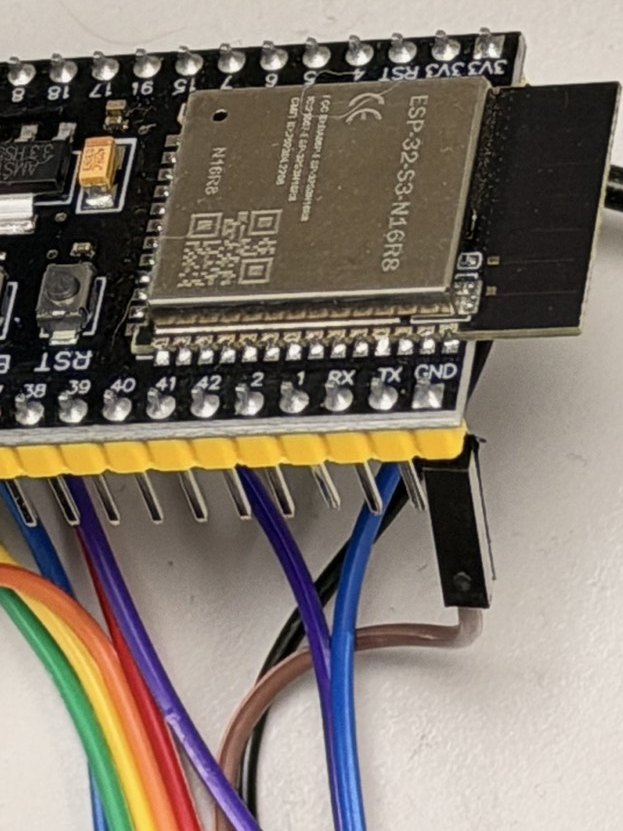
系統架構圖:RFID 讀卡機將卡號送到櫃機主機,主機比對權限後開啟對應櫃門的電磁閥,並透過 API 與醫院中控系統交換資料。System diagram: the RFID reader sends the card ID to the cabinet host, which checks permissions, unlocks the matching door's solenoid lock and exchanges data with the hospital system over an API.
醫院智慧藥櫃系統Hospital medication cabinet system
為台中一家大型醫院建置。領藥人員感應 RFID 識別證,主機比對權限後只開啟他能領用的櫃格,避免拿錯藥。主機透過 API 連線院方中控,人員與權限以醫院資料庫為準,領用紀錄也寫回院方。Built for a major hospital in Taichung. Staff tap an RFID badge, the host checks their permissions and unlocks only the compartments they may open, so nobody picks the wrong drug. The host connects to the hospital's central system over an API: staff and permissions come from the hospital database, and dispensing records go back to it.
權限控管Access control
- 依人員角色設定可開啟的櫃格,藥師、護理人員與管理者各不相同Compartments are assigned by role, so pharmacists, nurses and administrators each see a different set
- 管制藥品的櫃格另外設定,只開放給指定人員Controlled-drug compartments have their own rules and open only for named staff
- 人員異動以院方資料為準,中控停用帳號後櫃機同步失效Staff changes follow the hospital's records. Once an account is disabled centrally, the badge stops working at the cabinet
記錄的資料What gets recorded
- 每次開櫃的人員、卡號、櫃格與時間Who opened which compartment, with card ID and time
- 權限不足或無效卡的感應,同樣留下紀錄Denied taps and unknown cards are logged too
- 紀錄寫回院方資料庫,可依人員、櫃格或時段追查Records go back to the hospital database and can be traced by person, compartment or time